Spending hours listing a promising product only to face sudden supplier price hikes or stock shortages is a common frustration for dropshippers. Your supplier choice can either simplify your daily operations or create ongoing challenges that slow your growth.
Why Your Supplier Is Central to Your Dropshipping Workflow
Suppliers do more than just provide products—they’re the foundation of your entire dropshipping process. You rely on them to keep inventory accurate, prices competitive, and orders fulfilled on time. Their product data feeds directly into your listings, pricing decisions, and ultimately, customer satisfaction.
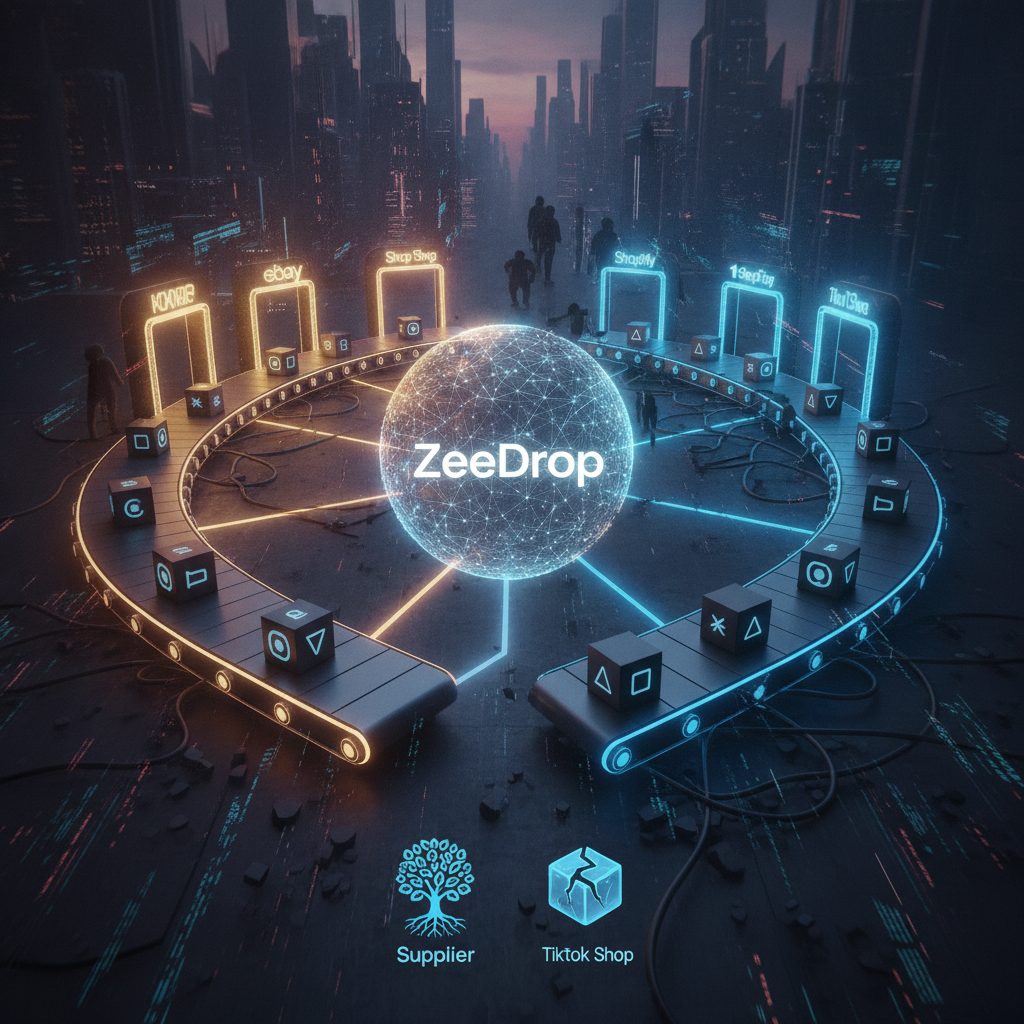
For sellers active on multiple platforms like eBay, Facebook Marketplace, or Shopify, managing supplier data becomes even more critical. Each marketplace has unique listing requirements and pricing rules, so efficiently transferring product information from your supplier to your sales channels is essential. Tools like ZeeDrop help automate this process, reducing manual work and keeping your listings consistent across platforms.
Common Supplier Challenges That Can Stall Your Business
Choosing a supplier based solely on low prices or a large product catalog often leads to problems. Here are some frequent supplier-related issues that can disrupt your dropshipping operations:
- Unexpected price changes: Without monitoring, sudden supplier price increases can erode your margins or force last-minute listing updates.
- Inventory shortages: Running out of stock after listing products can cause cancellations and damage your seller reputation.
- Manual product data entry: Copying titles, descriptions, and images by hand wastes time and increases errors.
- Weak product content: Supplier listings often have generic descriptions that don’t perform well in competitive marketplaces.
- Scaling difficulties: Managing multiple suppliers or expanding to new marketplaces becomes chaotic without a repeatable workflow.
These challenges directly impact your ability to grow and maintain a profitable dropshipping business.
How to Evaluate and Work with Suppliers Using ZeeDrop
Effective supplier evaluation goes beyond price and product variety. Consider these practical steps:
1. Verify supplier reliability: Look for consistent stock levels and stable pricing. Automated price monitoring tools can alert you to changes before they affect your listings.
2. Review product data quality: Are titles, descriptions, and images easy to adapt for your marketplaces? ZeeDrop’s AI listing tools can upgrade basic supplier content into polished, marketplace-ready listings, saving you hours of rewriting.
3. Test how easily you can import products: ZeeDrop’s supplier-to-marketplace workflow simplifies moving product details into your sales channels with fewer clicks and less manual work.
4. Plan for multi-channel selling: If you sell on eBay, Shopify, Facebook Marketplace, or others, make sure your supplier’s data integrates smoothly across platforms. ZeeDrop supports crosslisting workflows, helping you expand without doubling your workload.
By combining these steps with ZeeDrop’s tools, you can build a repeatable system that handles supplier data efficiently, freeing you to focus on marketing and customer service.
Maintaining Supplier Relationships and Staying Ahead of Changes
Choosing a supplier is just the start. Dropshipping requires ongoing attention because supplier conditions can change unexpectedly. Here’s how to stay prepared:
Track price and stock updates: Instead of manual checks, use automated price monitoring features. ZeeDrop alerts you to supplier price shifts so you can adjust listings before margins shrink.
Keep listings up to date: Supplier data changes mean your listings need regular refreshes. AI-powered tools can quickly update titles, descriptions, and images to keep your store competitive.
Communicate clearly: If you notice frequent stock or price issues, discuss them with your supplier. Reliable suppliers appreciate clear communication and may offer solutions or alternatives.
Have backup suppliers: Keeping a shortlist of alternatives for your best-selling products reduces risk. If one supplier falters, you can switch quickly without losing sales.
Growing Your Dropshipping Business with Trusted Suppliers
Scaling your business isn’t just about adding products—it’s about building workflows that grow with you. When your supplier relationships and data processes are solid, expanding to new marketplaces or increasing your catalog becomes manageable.
Many sellers start on a single platform like eBay and wonder when to add others. With reliable suppliers providing consistent data and tools like ZeeDrop handling crosslisting and AI listing optimization, expanding to Shopify, Facebook Marketplace, or TikTok Shop becomes a natural next step.
Automated price monitoring and supplier-change alerts let you manage a larger catalog without getting bogged down in manual checks. This automation supports smarter decisions, letting you focus on product research and testing instead of firefighting supplier issues.
Ultimately, choosing the right suppliers and using practical workflow tools can turn a dropshipping side hustle into a more structured and scalable ecommerce business.
For sellers looking to streamline product listing and supplier management, exploring ZeeDrop’s platform offers practical support. From importing supplier products to AI-powered listing enhancements and crosslisting features, ZeeDrop helps simplify the supplier-to-marketplace process.
What should I prioritize when selecting a dropshipping supplier?
Focus on supplier reliability, consistent pricing, inventory availability, and quality product data. Also, consider how easily you can import their product information into your sales channels.
How does ZeeDrop help manage supplier price changes?
ZeeDrop includes price monitoring workflows that notify you of supplier price shifts, allowing you to update your listings proactively and protect your margins.
Can I use one supplier to sell across multiple marketplaces?
Yes. ZeeDrop supports crosslisting and listing optimization, making it easier to move supplier data to platforms like eBay, Shopify, and Facebook Marketplace for multi-channel selling.
